Benchmarks: A Sitting-Down Circuit of Iron Acton's Best Perches
Photo: Basile Morin, CC BY-SA 4.0, via Wikimedia Commons
Most walking guides are obsessed with distance. This one is obsessed with stopping. Because the truth about Iron Acton is that a fair amount of village life happens at roughly knee height, on a bit of timber, with a flask in one hand and somebody's dog sniffing your boot.
So here it is: a short loop of about two miles, flat almost throughout, that treats the bench as the destination rather than an admission of defeat. Walk it briskly in forty minutes if you must. Walk it properly in an afternoon.
First, a word about bench geography
Villages arrange their seating the way other places arrange their furniture. There are benches for waiting, benches for thinking, benches for gossiping and one or two that exist mainly because somebody's late husband liked that view. Iron Acton is no different. The trick is knowing which is which before you sit down and accidentally join a conversation that has been running since 1994.
A rough rule: if a bench faces the road, it is a sociable bench. If it faces a field, a stream or a tree, it is a contemplative bench. If it faces the school gate, it is a logistical bench and should be vacated by ten past three.
The churchyard gate, and the quietest seat in the parish
Start at St James the Less, where the lane bends and the churchyard wall does that thing of looking older than most of the housing around it. There is seating here, or near enough, and a view back along the street that makes the village look considerably grander than it does from a car.
Sit for five minutes. This is the contemplative end of the circuit, and it comes with etiquette attached: keep voices low, don't perch on anything that looks like it is remembering somebody, and if a funeral or a wedding is underway, keep walking. The churchyard is many things, but it is not a picnic spot.
Down towards the water: the thinking bench
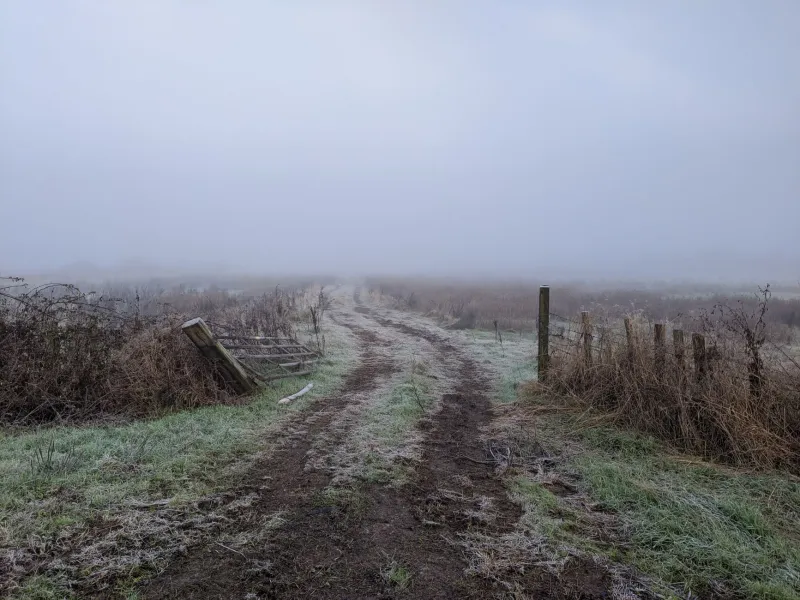
The Frome Valley does quiet very well. Follow the lanes and paths down towards the water and the village loosens its collar — hedges get taller, the traffic noise thins out, and you become aware that South Gloucestershire is mostly green when it isn't being a dual carriageway.
This stretch has the best bench of the lot, in my entirely unscientific opinion: one that faces water and trees and absolutely nothing of consequence. Bring a flask. Bring a book you won't read. In winter, wear boots you don't love, because the ground here holds water like a grudge. In early summer the hedge parsley comes up to your elbows and the whole path smells faintly of cow parsley and warm nettles, which is the correct smell of England in June.
Wildlife note for the patient: herons, kingfishers if you're lucky and quiet, and a great many ducks who have clearly never been told they are common.
The recreation ground: the sociable one
Back up into the village and the recreation ground does the opposite job. This is where the benches come with company. Saturday mornings mean junior football and a line of adults pretending to watch while actually talking about bins, school places and whoever is having their hedge cut.
Sit here and you will be spoken to. Not in an intimidating way — nobody is going to demand your life story — but the village's friendliness is of the low-grade, weather-based variety. "Cold enough for you?" is not small talk round here; it is an opening move.
This is also the best bench for a picnic, a pram-parking stop or a bit of people-watching if you're new and want to work out who's who before committing to a social life.
The High Street perch: logistics and gossip
There is a bench-shaped pause near the middle of the village that does the job of a village square. Buses, lifts, children, dogs, deliveries — everything passes it eventually. Fifteen minutes here will teach you more about Iron Acton than a fortnight of internet research.
A plea, though, on behalf of anyone with a buggy or a bad hip: don't colonise it. One person, one bag, one newspaper. The bench is a public service, not a storage unit.
Seasonal notes from a serial sitter
- Spring: the best bench months, before the nettles get ideas. Everything smells of rain and cut grass.
- Summer: shade is everything. The churchyard wins; the recreation ground loses.
- Autumn: the water-side bench, with a coat. Conkers, low sun, that specific September smell of damp leaf litter.
- Winter: pick the sheltered one, keep the visit short, walk faster between stops. A bench in January is a test of character rather than a rest.
Bench etiquette, for the newly arrived
- The nod. Coming or going, you nod. You needn't stop.
- The half-bench rule. If someone is already seated at one end, take the other end unless invited closer.
- Ask before sharing a view. "Mind if I sit?" costs nothing and prevents that awkward hovering dance.
- Don't tidy other people's benches. The tin of dog biscuits, the odd golf ball, the windbreak — these are somebody's system.
- Leave it as you found it. Litter home, crumbs for the birds, and no impromptu plaque suggestions.
Practical bits
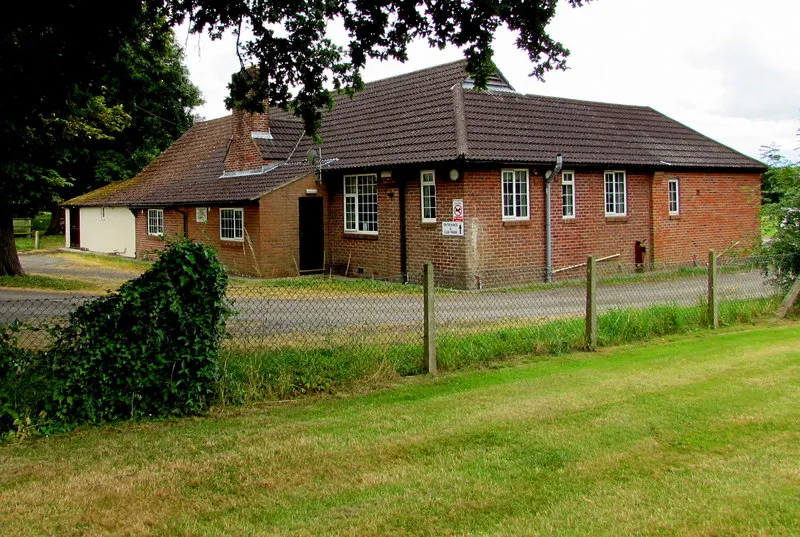
The circuit is roughly two miles, flat, on a mix of pavement, lane and field-edge path. Trainers will mostly do; wellies earn their keep between November and March. There is parking near the village hall, and the route can be shortened to a single bench-and-back if the weather turns or the knees object.
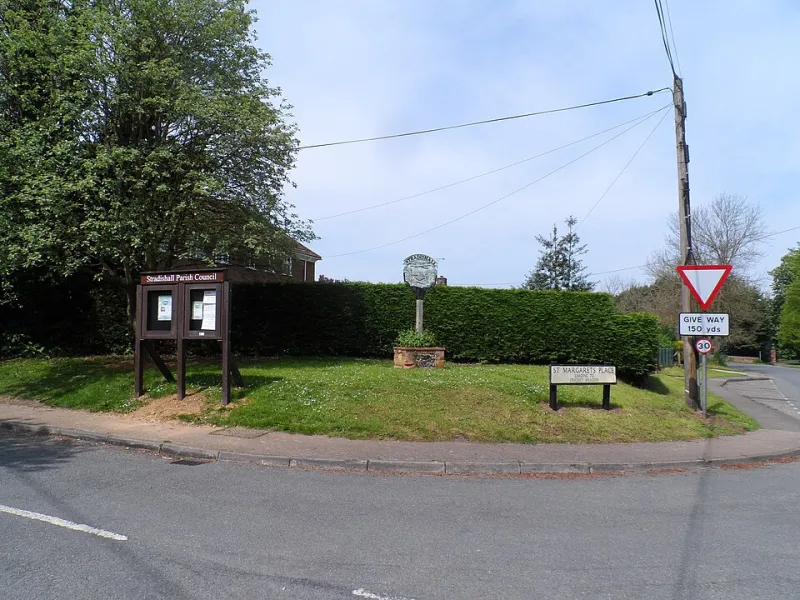
One last thing: the benches are maintained by people, not magic. If you notice one going rotten or a slat coming loose, mention it — parish noticeboards and village meetings are the correct channels, and village handymen are generally quicker to act than their reputation suggests.
Then go back and sit on it again. That's the whole point.