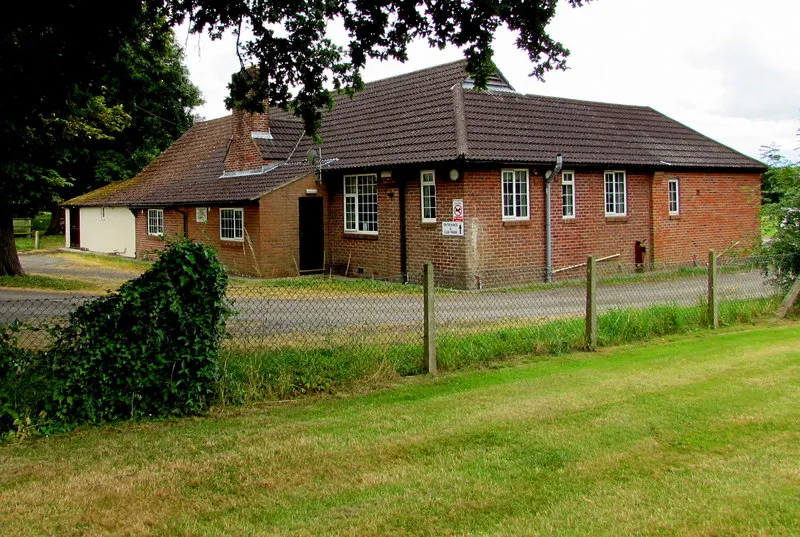
Settling In Without the Awkward Bit: A Field Guide for New Iron Acton Residents
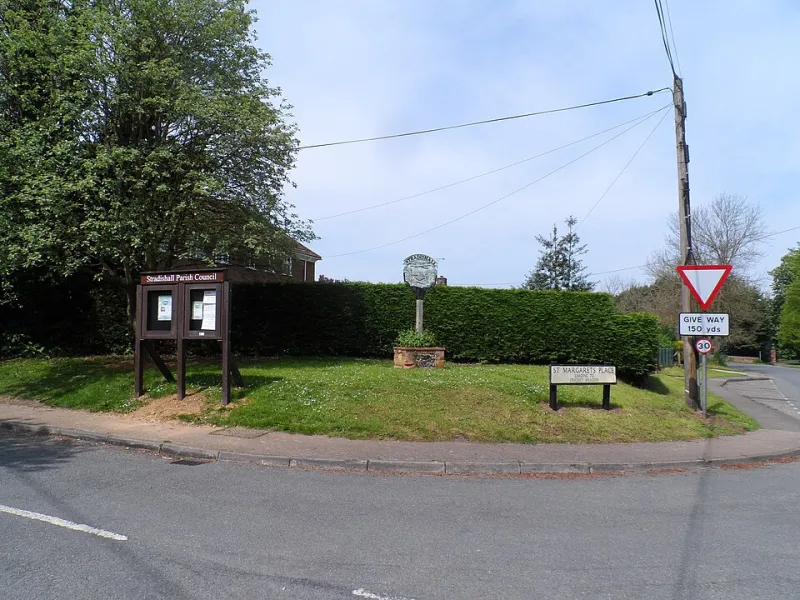
Photo: Bikeboy , CC BY-SA 2.0, via Wikimedia Commons
Moving house is mostly logistics. Moving into a village is something else entirely: a slow process of learning which lane floods, which gate is always open, who waves and who doesn't, and why everybody seems to know what day your bins go out before you do.
If you've arrived in Iron Acton recently, welcome. If you're still deciding, welcome too — this is a genuinely good place to land. What follows isn't a membership checklist. It's six small moves that tend to work, based on how village life in this corner of South Gloucestershire actually functions.
1. Read the noticeboard like it's the local paper
Before you join anything, look at something. Parish noticeboards — the ones near the village hall and around the church end — are the closest thing to a real-time feed of what's on. Fetes, coffee mornings, road closures, a lost cat, somebody offering surplus apples, a request for help moving a marquee.
Photograph it. New notices go up faster than you'd expect, and half the useful information never makes it online at all. If there's a village newsletter, get on the list; if there's a Facebook group, join it and lurk for a month before posting. Lurking is not rude. Lurking is research.
2. Say yes to the smallest thing on offer
The temptation when you move somewhere new is to prove you're keen by turning up to everything at once. Resist it. Villages are small enough that a full-frontal social assault is remembered for years.
Instead, pick one low-stakes thing and go. A coffee morning. A church fete stall. A quiz night. A work party tidying the churchyard or clearing a footpath. Events with a job attached are the easiest entry point, because you're immediately useful and nobody has to make conversation with you for three straight hours.
Go once. Go again a month later. That's it. That's the whole strategy.
3. Volunteer in a way that doesn't require a committee seat
People often hear "get involved" and picture themselves being elected treasurer of something by accident. It doesn't have to be that. Village life runs on small, unbilled contributions:
- helping set up tables before a village event and stacking them afterwards
- a litter pick along your own road, once in a while
- offering a lift to someone who no longer drives
- donating to the raffle, buying the raffle tickets, or both
- putting a spare pair of hands behind a stall for an hour
Nobody keeps a ledger, but everyone notices who turns up with a folding table and a good attitude. That reputation pays compound interest.
4. Learn the rhythms before you try to change them
Every village has a pulse, and it's usually set by three or four recurring things. Here, it's the school run, the church calendar, the seasonal round of village events and — quietly, powerfully — bin day.
Give yourself a full year before proposing anything major. You will learn why the summer fete is where it is, why the carol singing happens when it does and why nobody books anything on a particular weekend. Some of that is tradition. Some of it is parking. Both matter.
Seasons in Iron Acton are genuinely distinct and worth marking: spring's footpaths and bluebell lanes, summer's fete-and-sports-day stretch, autumn's harvest-and-halloween overlap, and the run into Christmas, when the village does a lovely line in mulled things and slightly out-of-tune singing.
5. Walk. A lot. With or without a dog.
There is no faster social integration mechanism in rural England than a dog on a lead at eight in the morning. If you have one, you're sorted — the dog-walking network is the village's real intelligence service, and it operates entirely on the recreation ground and the lanes.
If you don't, walk anyway. You will learn the shortcuts, the benches worth stopping at, the footpaths that turn to soup in February and the houses with the good hedges. You will also start getting nodded at, which is the first stage of being considered local. The full transition takes roughly a decade and cannot be accelerated. Sorry.
6. Show up to the dull things
Parish council meetings are not glamorous. Neither is the annual village hall AGM, or the meeting about the footpath that needs a new stile. But they are where things are decided, and they are disproportionately welcoming to a new face who is simply interested rather than furious about something.
Turn up, listen, don't speak for the first two meetings, then ask one sensible question. You will leave with three new acquaintances and a much clearer idea of why the village works the way it does.
A gentle word about pacing
Villages are forgiving, but they're also long-memoried. The people who settle best are rarely the ones who join six committees in their first month. They're the ones who are reliably pleasant, mildly useful and still here two winters later.
So: read the board, do one small thing, walk the lanes, learn the rhythms, and let the rest happen at its own speed. Iron Acton is not a hard village to belong to. It just doesn't rush.