Stiles, Sheep and the Art of the Village Pause: Dog Walking in Iron Acton
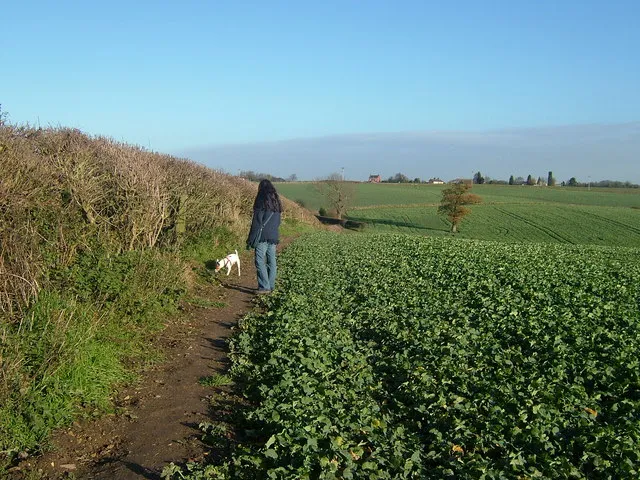
Photo: cris sloan, CC BY-SA 2.0, via Wikimedia Commons
Ask two Iron Acton dog owners what makes a good walk and you’ll get two different routes, two different opinions on stiles and probably two different types of treat in their pockets. That’s the joy of walking here. The village is small enough to feel familiar, but the lanes around it open out into proper South Gloucestershire countryside — the sort of ground where a dog can snuffle through a hedge bottom for five minutes and come out looking deeply satisfied with the morning’s work.
This isn’t a generic list of dog-walking tips. It’s a village-specific look at the places we actually use, the manners that keep everyone happy and the kit that makes a wet November walk less of a chore. As we head through autumn and into winter 2026, here’s what to know before you clip the lead on.
The walk that starts at the door
One of the quiet pleasures of Iron Acton is that you don’t need to drive anywhere to find a decent leg-stretch. A loop from the village centre, past St James Church and out along the quieter lanes, can be as short as twenty minutes or stretched into an hour if your dog is the sort that believes every gatepost deserves a full investigation.
The lane past Acton Court is a favourite for a reason: you get a glimpse of the Tudor court, a bit of hedge-side sniffing and usually a puddle or two after rain. Keep dogs on lead here — it’s a working lane with the occasional vehicle, and the verges are narrower than they look when a car comes through.
For a longer outing, head towards the Frome Valley. The paths there are lovely but seasonal: after heavy rain, some sections turn into a proper mud bath. That’s fine if you’ve planned for it. Less fine if you’re wearing trainers and have a white dog.
Where the lead comes off — and where it stays on
The village recreation ground is the obvious off-lead spot, and on a dry day it’s hard to beat. It’s open, generally quiet and easy to keep an eye on your dog. That said, it isn’t a sealed field, so recall matters. If your dog is the sort to spot a gap in the hedge and vanish in pursuit of a squirrel, keep the long line on until you’re confident.
Out in the fields, the rule is simple: livestock first. Sheep and cattle are part of the landscape here, and a dog that ignores them is a dog that stays on lead. Even the most sensible animal can forget its training when a flock moves. Close every gate, use the stiles properly and give farm animals a wide berth. If a field feels busy with stock, choose another route — there’s no shame in turning back.
Stiles are worth a mention. Some are the classic wooden step-over kind; others are kissing gates that are easier with a dog than a pushchair. If your dog is small or elderly, a short lift is often kinder than a scramble. And if you’re on a narrow path and someone is coming the other way, a bit of give-and-take goes a long way.
Mud, towels and the 2026 autumn kit list
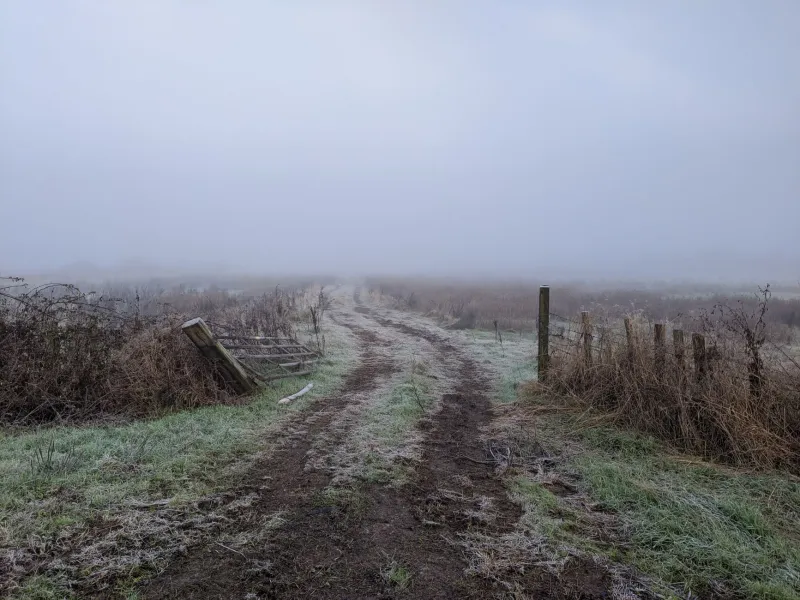
By mid-November, the lanes around Iron Acton have a particular talent for mud. Not the dramatic, boot-swallowing kind — more the slick, persistent film that finds its way onto paws, trousers and, somehow, the car ceiling.
A few things make the wet months easier. A towel by the door is non-negotiable. A small bottle of water and a paw rinse at the end of the walk saves a lot of floor-cleaning. Hi-vis on the dog and a torch in your pocket are sensible once the clocks have gone back; the lanes are unlit and the after-school dog walk can turn gloomy quickly. And if you’re walking near treated roads or gritted areas, rinse paws afterwards — rock salt isn’t kind to skin.
Autumn also brings the usual seasonal hazards: fallen acorns, conkers and the odd bit of discarded food. Keep an eye on what goes in your dog’s mouth, especially on the rec and under the big trees. If your dog is a scavenger, a pocketful of treats and a reliable ‘leave it’ are worth more than any gadget.
Water stops and the art of the village pause
There’s no guaranteed public tap on the village circuit, so bring your own water. A collapsible bowl takes up almost no space and means you’re not relying on a puddle that may have seen better days. Stream water looks appealing but isn’t always the best choice, especially near farmland.
The best walks here have pauses built in — for the dog, not just for you. A sniff at a gatepost is the canine equivalent of reading the local paper. Let them have a minute. The village is small, and half the pleasure of walking it is noticing things: the state of the hedge, the smell of a wood fire, the fact that someone has finally trimmed the brambles by the wall.
Rating the local dog-friendly stops
A light-touch guide, paws out of five, based on ordinary village use rather than special trips.
The recreation ground: 5 paws on a dry day. Open space, easy off-lead time and plenty of room to burn off energy. Drops to 3 paws after heavy rain, when the grass holds water and the mud holds dogs.
St James churchyard: 3 paws. A quiet, short wander with interesting smells and decent shade in summer. Dogs on lead, please, and keep to the paths. It’s a place for calm, not a zoomie.
The lane past Acton Court: 4 paws for sniffing. Good hedge-side interest and a bit of local history to look at. On lead, and watch for the odd car.
The village pub garden: 4 paws if you ring ahead. Some village pubs are genuinely welcoming to dogs; others prefer them outside only. Check before you assume, keep your dog on lead around food and don’t let them park themselves under someone else’s table. A water bowl by the door is a good sign.
The village bench by the green: 4 paws. Not a destination in itself, but a useful pause. Good for a sit-down, a drink and a bit of people-watching. Take your litter home, including the dog kind.
Manners that make the village smile
Most of it is ordinary courtesy, but it’s worth saying. Pick up after your dog — every time, including on the rec and in the churchyard. Ask before letting your dog approach another dog; not every wagging tail wants company. Keep dogs out of the way when a church service or village event is on. And if you’re going into a pub or café, check first rather than marching in with a wet collie and hopeful eyes.
In the fields, close gates, stick to the path and give livestock room. In the lanes, keep the lead short when a car is coming. None of this is onerous. It’s just the stuff that keeps a small village pleasant for everyone, dog or not.
A short winter loop for wet days
If you want a simple route for a drizzly afternoon, try this: start near the village centre, walk past the church, take the quieter lane towards the Acton Court viewpoint, loop back around the recreation ground and finish with a towel-down by the car. It’s roughly twenty to thirty minutes at a sniff-heavy pace, mostly on lead, with a chance for off-lead time on the rec if the ground isn’t too soggy.
In autumn and winter 2026, the light goes early and the mud arrives fast. A short loop done well beats a long one done miserably. And if your dog comes home muddy, tired and slightly smug, you’ve probably done it right.