Bells, Mowers and the School Run: What Iron Acton Actually Sounds Like
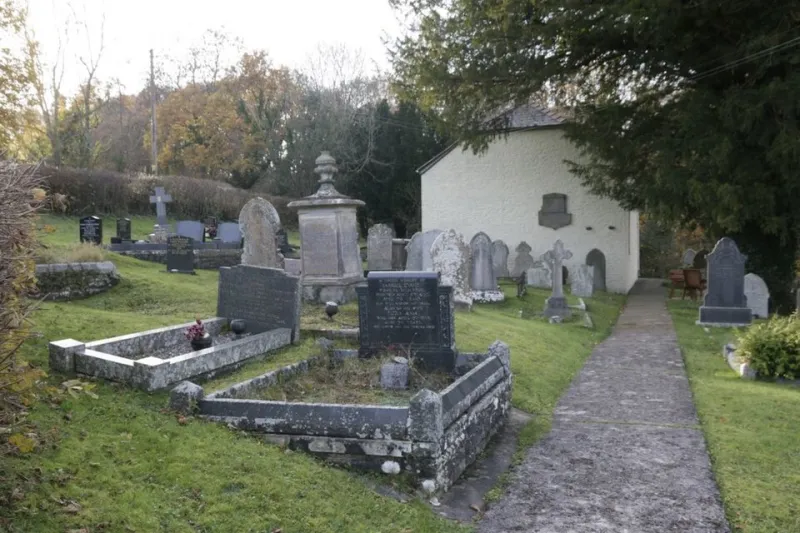
Photo: Bill Nicholls , CC BY-SA 2.0, via Wikimedia Commons
Stand still on any Iron Acton pavement for a full minute and something odd happens. The village stops being a view and starts being a broadcast. Tyres hiss on wet tarmac, a gate clacks somewhere behind a hedge, a dog registers its objection to a postman three streets away. We're so used to describing villages by what they look like — the tower, the war memorial, the hanging baskets — that we rarely bother to describe what they sound like. Which is a shame, because sound tells you far more about a place's rhythm than a photograph ever will.
So this is an attempt to do the obvious thing and just listen. Not a scientific survey, not a birdsong masterclass. More a wander through a single day with the volume turned up.
First Light: Birds Before Engines
Arrive before seven and Iron Acton belongs to the birds. Robins first, usually — that thin, bright, slightly melancholy thread of sound that seems to come from every garden at once. Then blackbirds, then the rowdier stuff: wood pigeons doing their five-note complaint, the kettling of jackdaws around the tower of St James the Less, a wren exploding out of a hedge like someone dropping a cutlery drawer.
It's the quietest hour, but not silent. There's a low mechanical hum underneath it — the distant A-road, a fridge, somebody's boiler firing up. Villages are never truly quiet; they just have a quieter baseline. Listen for the moment the birdsong gets joined by the first car door, and you've found the village's real alarm clock.
Eight O'Clock: The School Run Symphony
By half eight, the soundscape has changed hands entirely. The school run has a very particular music: engines idling, boots on gravel, the slam-slam-slam of car doors in sequence, and the rise and fall of adult conversation at the gate. You'll hear the same three sentences repeated in different accents — have you got your bag, we're going to be late, right, off you go.
What's interesting is how brief it is. Twenty minutes, maybe twenty-five, and then the lane goes back to being a lane. The school run is the village's most concentrated burst of noise, and then it's gone until three o'clock, like a tide going out.
Mid-Morning: Mowers, Deliveries and the Hedge Trimmer Chorus
If the early morning belongs to wildlife and the school run belongs to families, mid-morning belongs to maintenance. This is when the hedge trimmers start. Somewhere between ten and eleven you'll hear the two-stroke growl of somebody cutting back a boundary, followed by the satisfying clatter of clippings hitting a wheelbarrow. It's the sound of a village quietly keeping itself tidy.
Mixed in with it: delivery vans reversing (that three-tone beep carries astonishing distances in a village), the postie's trolley rattling over a cattle grid, a tractor out on the lanes shifting down for a bend. In November you get leaf blowers instead of mowers, which is a less charming sound but a reliable sign of the season. In July, it's the opposite — the drone of a lawnmower from every direction, a sort of suburban surround-sound that tells you it's a Saturday.
The Quiet Hours: When the Village Hums Rather Than Talks
Early afternoon is the underrated bit. The school run has happened, the hedge trimmers have packed up for lunch, and Iron Acton settles into a low hum. This is when you notice the details: the tick of a bicycle freewheeling down the hill, water moving in the brook, a gate swinging on a hinge that clearly needs oil, the creak of a sign bracket in the wind.
It's also when you can hear the village's edges. Stand on the lane towards Latteridge and the traffic noise from Yate drifts in and out depending on which way the wind is blowing. Walk down towards the Frome and the sound changes again — softer, damper, more birds and less machinery. A ten-minute walk can shift the acoustic entirely, which is not something you'd ever guess from a map.
Dusk: Bells, Boots and the Last Van Out
As the light goes, the village switches back to voices. Dog walkers calling across the rec, the clatter of a pub door, a child being persuaded that yes, it really is time to go home. If it's a bell-ringing practice night, the tower at St James the Less sends its sound out across the rooftops in a way that makes the whole place feel considerably older than it is. Bells are the one village sound that hasn't changed in centuries — the same notes, roughly the same distance, just fewer listeners paying attention.
The last delivery van of the day is usually the loudest thing after dark. Then that goes too, and you're left with the quiet stuff: a distant train, an owl if you're lucky, someone's extractor fan.
Your Own Listening Walk: A Few Prompts
You don't need a route, a guidebook or any special equipment to do this properly. You need about forty-five minutes and the willingness to look slightly odd standing still. A few starting points:
- Start at the churchyard gate. Give it two full minutes before moving. You'll hear three distinct layers: birds, the village, and whatever's coming from further afield.
- Walk one lane you usually drive. The school run route is a good one, but do it at ten in the morning when it's empty and you'll hear a completely different place.
- Count the mechanical sounds. How many can you identify in ten minutes? Vans, mowers, washing machines on a spin cycle. It's a surprisingly good measure of how busy the village is that day.
- Find the quietest spot you can reach in fifteen minutes. Then stand there and work out what you can still hear. Distant roads, aircraft, the fridge hum of modern life. It's a useful reminder that 'peaceful' is relative.
- Go back at a different time of day. Same route, different soundtrack. Dusk and dawn are the two most rewarding, but mid-afternoon has its own charm.
None of this is going to change your life. But it might change how you walk through the village. Iron Acton has a soundtrack — it's just that nobody's ever bothered to write it down. Have a listen and see what you'd add to the list.