Allotment Gluts to Hedgerow Hauls: Eating Seasonally Around Iron Acton in 2026
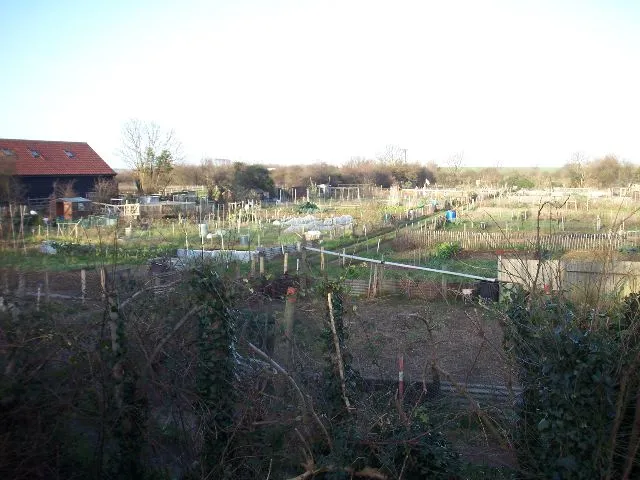
Photo: Tim Fryer, CC BY-SA 2.0, via Wikimedia Commons
There's a particular moment in late August when every allotment holder in the village seems to be carrying a bag of courgettes they're desperate to give away. It's one of the small, reliable rhythms of life here, and it's as good a place as any to start thinking about eating with the calendar rather than the supermarket.
This isn't a purist's guide. Nobody in Iron Acton is going to judge you for buying a lemon in February. But there is a genuinely useful middle ground: knowing roughly what's good when, where the nearest reliable shop or stall is, and what to do with a hedgerow haul once you've got it home.
Why bother eating with the seasons?
Three reasons, none of them preachy. First, it's cheaper — the stuff that's growing everywhere in July is the stuff that's cheapest in July. Second, it tastes better, particularly anything that's had a chance to ripen outdoors. And third, it gets you out of the house. Half the pleasure of a blackberry crumble is the forty minutes of bramble-scratched wandering that came before it.
January to March: roots, greens and patience
These are the lean months, and the honest answer is that most of what's on your plate has come from somewhere a bit warmer. That said, January is the best time for parsnips, swede, celeriac, leeks and the tougher brassicas — kale, sprouts, January King cabbage.
It's also peak marmalade season. Seville oranges land in the shops for a few weeks only, usually from early January, and if you've never made it, a single afternoon produces enough to see you through to autumn. Ask around; someone in the village will have a pressure-tested method and strong opinions about shredding thickness.
Late February and March bring forced rhubarb, purple sprouting broccoli and the first wild garlic in the shaded corners of the lanes.
April to June: the year wakes up
Wild garlic is the gateway forage. It grows in damp woodland and along shaded hedge banks, and the smell gives it away long before you see it. Pick a handful of leaves from a big patch — never the whole clump — and blitz them with toasted nuts, hard cheese, lemon and enough oil to loosen it. It freezes well in small tubs.
By May the elderflowers are out, and cordial is a two-day job that makes the whole kitchen smell like a summer holiday. June brings the first real glut: broad beans, peas, strawberries, and the earliest courgettes from anyone with a greenhouse.
July and August: the glut months
This is when the village quietly redistributes its surplus. Courgettes, runner beans, raspberries, the first tomatoes, and — from mid-August — blackberries along the hedges.
A few practical notes on the blackberries. Pick from hedges well away from busy road verges, where spray and exhaust drift are a real concern. Go for fruit that comes away easily with a light tug; if you have to pull, it isn't ready. And pick high as well as low, because plenty of other things are using the low ones.
Simple uses, in order of effort: eaten warm off the bush, scattered on porridge, folded into yoghurt, or baked under a crumble topping with a couple of sharp cooking apples. If you've got more than you can eat, freeze them spread out on a tray first, then bag them — otherwise you get one solid blackberry brick.
September and October: the proper harvest
September is the best month of the year for foraging around here. Damsons and bullaces in the hedgerows, sloes on the blackthorn, cobnuts, the last of the blackberries, and apples coming out of every other garden.
Sloes need a frost (or a night in the freezer) before they're worth using, and sloe gin made now will be ready to drink around Christmas — which is a satisfying thing to have quietly working away in a cupboard. Fill a sterilised jar a third full with pricked sloes, add sugar to taste and cover with gin. Shake weekly. Strain around mid-December.
Damsons make a superb gin too, and an even better crumble or jam. October is also when winter squash, maincrop apples and the first proper mushrooms appear. If you're not confident identifying mushrooms, don't eat them. That's not a hedge — it's the whole rule.
November and December: frost and slow cooking
Parsnips genuinely improve after a frost, which converts starch to sugar. Sprouts, leeks, cabbage and stored apples carry the season, and the kitchen shifts towards soups, braises and anything that can sit in a low oven for two hours.
A useful trick for the freezer: roast a big tray of squash, parsnip and onion with oil and thyme, then blitz into a soup with stock and a splash of cream. It'll see you through several dark evenings.
Buying locally without much fuss
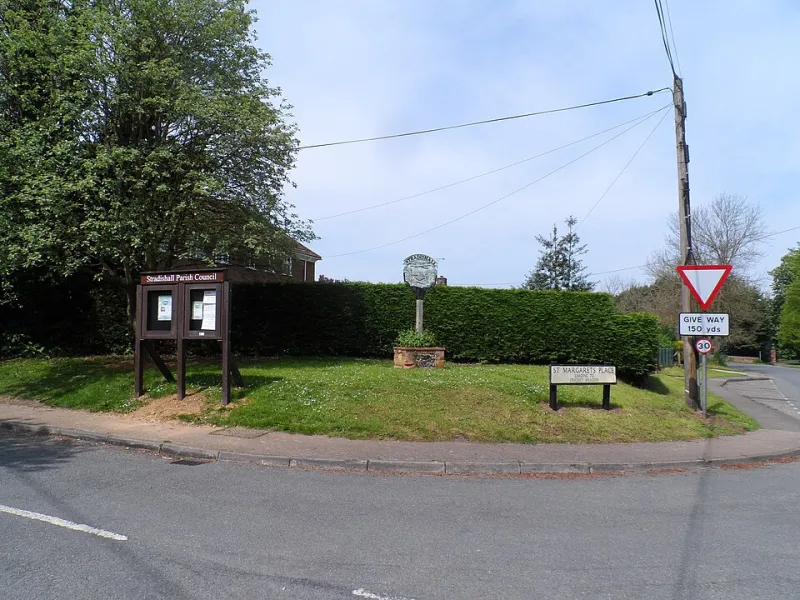
The village itself has its everyday stops — the shop, the pub kitchen, the noticeboard where eggs and surplus produce occasionally get advertised. Beyond that, farm shops and stalls in the surrounding villages and the market towns of Yate and Chipping Sodbury cover most needs, and honesty boxes at the end of driveways are one of the small joys of living out this way. Cash helps.
Allotment sites are worth getting to know, too. You don't need a plot to benefit — plenty of growers would rather someone took a bag of beans off their hands than composted them.
Picking responsibly: the short version
Under the Wildlife and Countryside Act 1981 you can pick fruit, flowers, foliage and fungi for personal use from land you have lawful access to. You cannot uproot plants without the landowner's permission, and you shouldn't be picking anything from private land, verges alongside fast roads, or protected sites.
Beyond the law, three habits: take only what you'll actually use, leave plenty for birds and insects, and wash everything before it goes near a pan. And if a hedgerow looks like it's been stripped bare, walk on and try the next one.
That's the whole guide, really. Buy what's good, pick what's plentiful, cook it simply, and be generous with the surplus — the courgette economy depends on it.