The Nearest Thing to Nowhere: Living with Iron Acton's BS37 Postcode
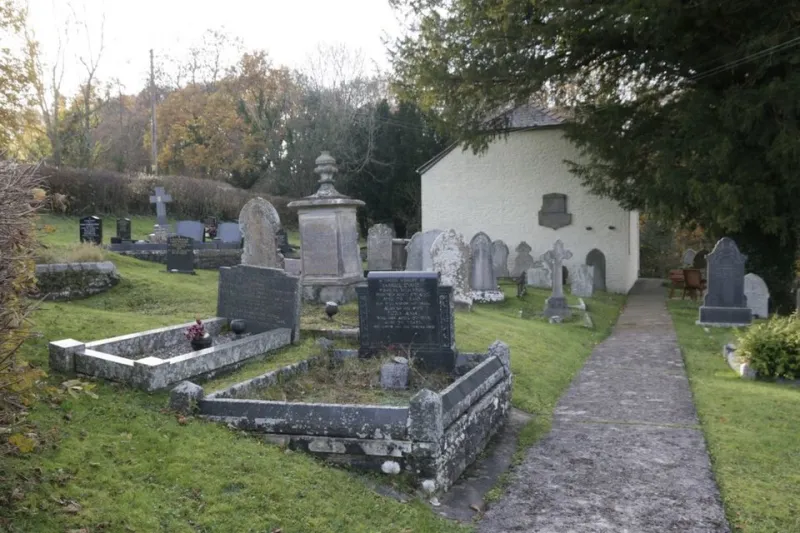
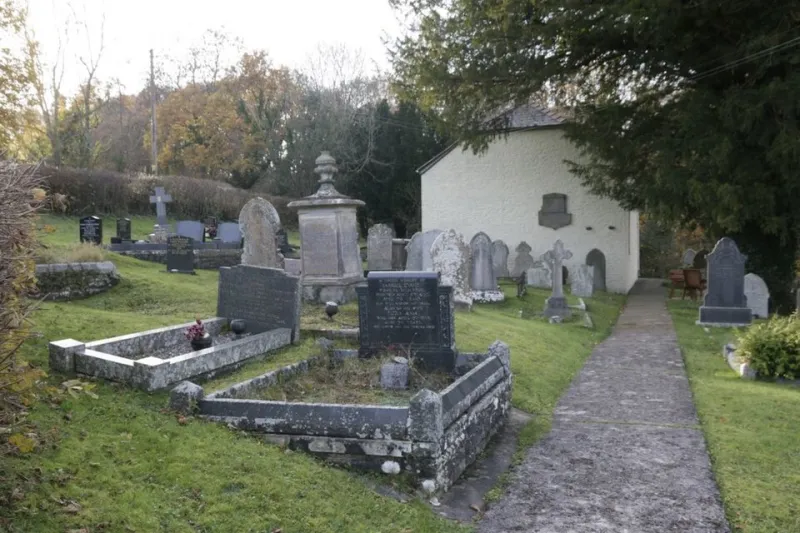
Photo: Bill Nicholls , CC BY-SA 2.0, via Wikimedia Commons
There is a particular pause that every Iron Acton resident learns to recognise. It happens on the phone, usually after you have given your address, when the person on the other end says: “BS37… so that’s Yate, is it?” You take a breath. You explain, for the hundredth time, that no, it is not Yate, it is Iron Acton, and yes, that is a real place, and no, it is not just a farm with a church. The postcode is BS37, but the village has its own centre of gravity.
The Sat-Nav Never Believes You
If you live anywhere near the middle of the village, you will have watched a delivery van perform the same slow, suspicious crawl past the church. The driver is not lost, exactly. They are recalibrating. Their screen has told them they have arrived, but their eyes are telling them they are in a village that does not look like the postcode’s larger neighbours. The app says “destination on the left” when the destination is actually up a lane, round a bend, and behind a hedge that has been there since before satellites existed.
It is not the drivers’ fault. BS37 covers a wide and lumpy patch of South Gloucestershire. It takes in Yate’s housing estates, Chipping Sodbury’s high street, a scatter of hamlets, and us. To a computer, a postcode is a neat rectangle. To anyone who has tried to turn a white van around in a narrow lane near Iron Acton, it is more of a suggestion.
Yate Is Not a Rival, It Is a Resource
There is a gentle joke around here that Yate gets the shops and Iron Acton gets the character. That is a bit unfair to Yate, which has a perfectly good leisure centre, a railway station, and the kind of retail park that makes a Tuesday evening errand almost pleasant. But the joke exists because the relationship matters. For most of us, Yate is not a place we defend or disparage. It is simply where the big supermarket is, where the train goes from, and where you go when you need something that the village shop does not stock.
Chipping Sodbury does the same job for a different mood. It has the historic high street, the independent shops, and the feeling of a town that knows what it is. Bristol is the bigger draw for work, culture, and the occasional proper night out. And yet, coming back down the lanes towards Iron Acton, something settles. The postcode may say BS37, but the village has its own internal compass.
How to Explain Iron Acton at a Party
If you are new to the village, you will eventually be asked where you live by someone who does not. The temptation is to say “near Bristol” and leave it there. That is accurate, but it is also a bit like saying the Lake District is near Manchester. True, but it misses the point.
The better answer is a small set of coordinates. “Just north of Bristol, past Yate, near the M4.” That usually gets a nod. If they look blank, add “between Yate and Frampton Cotterell” and watch the geography click into place. If they still look blank, you are allowed to say “it is a village with a very old court house and a nice pub” and change the subject. Nobody has ever been offended by that.
The strange thing is that Iron Acton is not actually hard to find. It sits neatly between the A38 and the B4058, with the M4 close enough to be useful but not close enough to be noisy. It is the perception that lags. People hear “village” and imagine a single lane and a duck pond. We have lanes, and we have a pond, but we also have a working community, a school, a church, and a steady flow of people who chose to live here rather than simply ended up here.
The Postcode Paradox
BS37 is a useful label, but it is not an identity. It tells the council and the couriers where to find you. It does not tell them that the best route into the village is not always the obvious one, or that the lane past the church can be icy in February, or that the pub car park is smaller than it looks.
This is the little paradox of living here. We are close to everything, but we are not on the way to anywhere. That is not a complaint. It is the whole point. The lack of a through-route is what keeps the village feeling like a village. The fact that the postcode is shared with a town is what keeps the practicalities working. We get the best of both: a place that feels tucked away, with a train station and a supermarket ten minutes down the road.
The Practical Bits Nobody Warns You About
If you are moving in, or visiting for the first time, a few small truths will save you a headache. First, the postcode will get you to the village, but it will not always get you to the door. Check the house name or number, not just the street. Second, if a local tells you to “go past the school and take the second turn”, they are probably giving you the fastest route, even if it looks like a back lane. Third, if you are expecting a parcel, be prepared to describe your house in terms of the nearest landmark rather than the postcode alone. “Opposite the church” is more reliable than any app.
And if you are ever lost, ask someone walking a dog. They will know exactly where you mean, and they will probably walk you part of the way. That is not a postcode thing. That is an Iron Acton thing.
A Postcode Is Just a Start
So BS37 it is. On paper, we share it with thousands of people who have never heard of Iron Acton and probably never will. In practice, we are our own small dot on the map, with our own lanes, our own landmarks, and our own way of explaining ourselves to the outside world. The next time a delivery driver pauses at the church, give them a wave. They have just discovered what the rest of us already know: the postcode is only the beginning of the story.