Five Cut-Throughs That Save Your Legs: An Honest Guide to Iron Acton's Informal Shortcuts
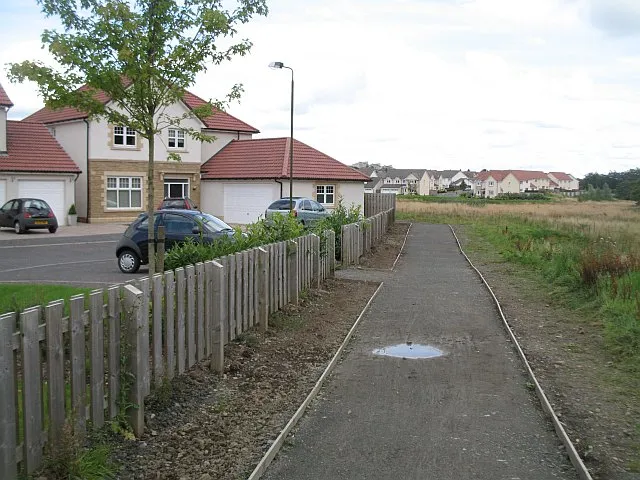
Photo: Richard Webb, CC BY-SA 2.0, via Wikimedia Commons
There's a particular kind of local knowledge that never makes it onto a signpost. It's the business of knowing that if you slip between the hedge and the gatepost here, or follow the flattened grass along that verge there, you'll knock four minutes off the walk to the school gate. Iron Acton is full of these little economies. None of them are secret, exactly — they're just not advertised. What follows is a friendly tour of five of the ones residents actually use, with the caveats that matter: surface, mud, stiles, lighting, dogs, buggies, and the unwritten rules that keep a shortcut from becoming a nuisance.
One thing before we start. A well-worn line across a field is not the same thing as a public right of way. If you want certainty about where you may legally walk, the definitive map held by the highway authority is the only document that settles it — and South Gloucestershire Council publishes its own guidance on public rights of way. Treat everything below as local practice rather than legal fact, and always be ready to take the proper path if a landowner has closed a gap or a crop is in.
1. The churchyard line to the lanes
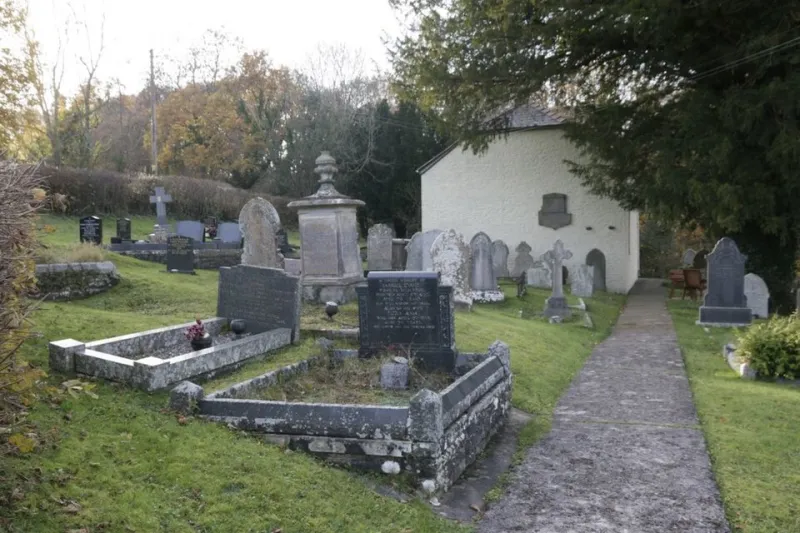
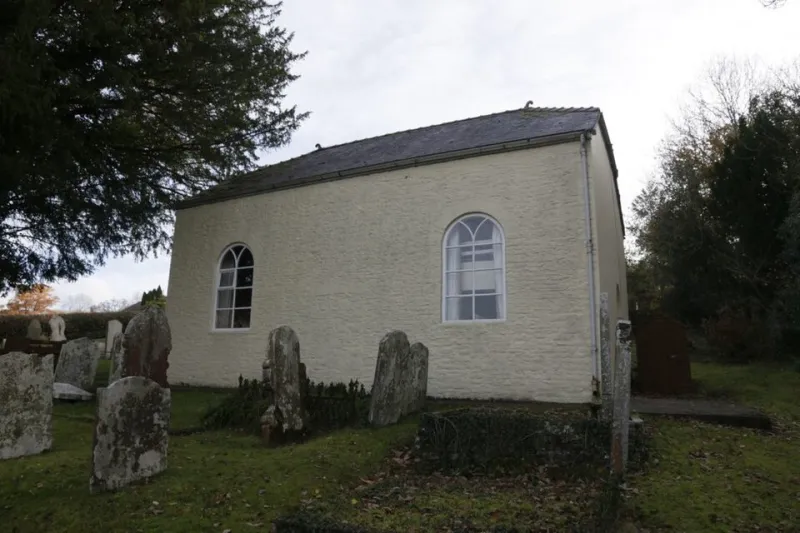
The most-used informal route in the village is also the least dramatic. Rather than following the road round in a long curve, plenty of people cut through the churchyard of St James the Less and out towards the lanes on the far side, picking up the footpath network from there.
The surface is the appeal: level, well-drained tarmac and gravel for most of it, so it stays usable when everything else has turned to soup. There are no stiles, and the gates are the easy metal sort. It's decent underfoot for a pushchair, though the narrower sections between graves ask for a bit of care and a bit of quiet. Lighting is limited to what the church and nearby houses throw out, so a winter evening visit means a torch.
Dogs are welcome in the sense that they're commonly walked here, but leads are the done thing — this is a working churchyard with graves, wildlife and people who come for a quiet five minutes. The etiquette is simple: keep to the edges, don't let anyone rootle in the borders, and if a funeral or a service is on, take the long way round without a second thought.
2. The verge beside the main road
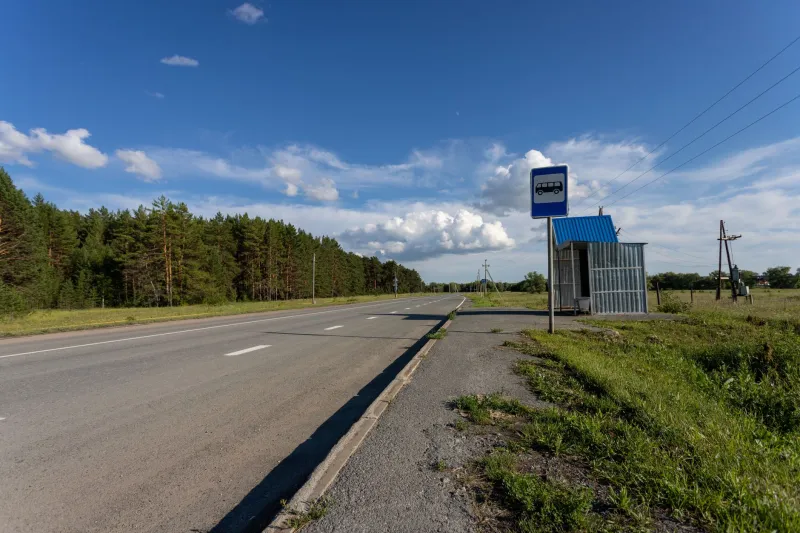
This is the shortcut that divides opinion. Where the pavement runs out on the edge of the village, a beaten line of trodden grass continues along the verge, letting pedestrians carry on towards the next junction instead of doubling back.
In high summer it's fine — dry, springy and quick. From about November it's a different proposition, and after a wet fortnight you'll want boots rather than trainers. There's no lighting at all, the verge narrows in places where the hedge leans out, and the traffic is close enough that you'll want to walk single file and keep a child on the inside. Pushchairs: not really. Dogs: yes, on a lead, because the road is right there.
The local convention is to use it in daylight and to give way cheerfully to anyone coming the other way by stepping into the wider patch near the gateway. If a landowner has put up a temporary fence or a sign, that's the end of the conversation — go round.
3. The field-edge path towards Acton Court
The footpaths skirting the fields around Acton Court give you the best of the village's informal geography: a way of getting from the lanes back towards the centre without pounding the tarmac. Parts of it are recorded paths, parts are simply the line everyone takes along the headland.
The ground is grass and earth, so it's glorious in a dry spring and genuinely hard going after rain — the kind of mud that adds inches to your boots. There's usually at least one stile or a kissing gate, and the stiles are the traditional wooden sort, which means a leg-over rather than a roll-through. That rules it out for most buggies and makes it a slow business for anyone with limited mobility.
Lighting: none. Dogs: fine off the lead on the open stretches if they're steady and you can see the field is empty, but back on the lead anywhere near livestock and anywhere near a gate. This is also the route where the etiquette matters most — close every gate, don't walk through a crop, and if you meet the farmer, a nod and a hello goes a long way.
4. The school-run gap
The morning and afternoon school run has produced its own micro-geography: a small gap in a hedge, a bit of flattened verge, a stretch of pavement that connects two roads which the map insists don't quite meet.
It's short — a couple of minutes at most — but at 8.45am those two minutes are worth having. The surface is a mix of tarmac and bare earth, and the earth part holds water. It's narrow. Two adults with buggies can pass, but only just, and only if one of them is willing to wait.
Which brings us to the etiquette. This one works because people treat it as a shared space rather than a race. Let the person with the double buggy through. Don't park a scooter across the gap while you chat. Keep dogs out of it at peak times, because a nervous five-year-old and an enthusiastic spaniel in a two-metre-wide gap is nobody's idea of a good morning.
5. The lane loop behind the village
The last one isn't a gap at all — it's a choice. Where a footpath and a quiet lane run roughly parallel, residents tend to take the lane in winter, when the field is a swamp, and the path in summer, when the field is a joy. Knowing which to pick, and when, is the whole shortcut.
The lane is tarmac, mostly single-track, and unlit but open. It copes with buggies and bikes. The path is grass, stiled and muddy from October. Together they form a loop that will get you most places you want to go on the edge of the village without ever committing to a quagmire.
Drivers on the lane are, on the whole, sensible, but there are blind bends. Walk facing the traffic where you can, wear something light-coloured after dusk, and don't assume a car has seen you just because you've seen it.
The unwritten rules, gathered up
None of these routes are complicated, but they survive on small courtesies. Close what you open. Step aside for people with children, buggies or walking aids. Keep dogs on leads around livestock, graves and gateways. Don't widen a gap by forcing a buggy through it. And if a landowner asks you to go a different way, do it — informal routes exist on goodwill, and goodwill is a finite resource.
If you're new to the village, the best single piece of advice is this: use the proper path where one exists, and enjoy the shortcuts as the bonus they are. The definitive map tells you what you're entitled to. The trodden grass tells you what everyone else does. Both are worth knowing.