The Lane Tells You First: Reading Wet Weather Around Iron Acton

Photo by Photo by Zhifei Zhou on Unsplash on Unsplash
There is a particular sound a South Gloucestershire lane makes after a wet November week. Not the obvious squelch underfoot, but the soft, apologetic gurgle of water finding a ditch it had forgotten about. Walkers in Iron Acton learn to listen for it. They also learn that the puddle in front of them is rarely random. It has a reason, a source and, usually, a way around it.
This isn’t a lecture on hydrology. It’s a practical guide for anyone pulling on boots this winter and wondering whether the lane to the church will be a pleasant stroll or a wading exercise. Once you know how water behaves around the village, you can read a route before you commit to it.
Why the water picks its spots
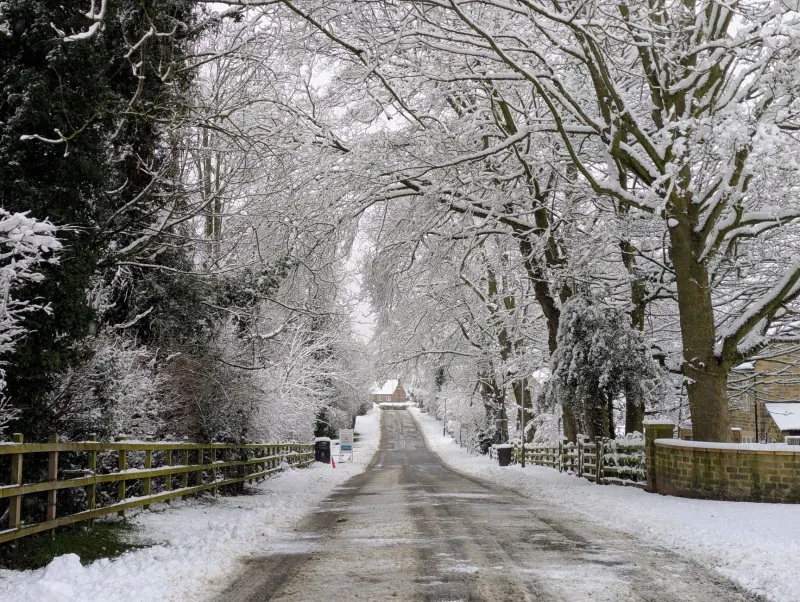
Iron Acton sits in that familiar South Gloucestershire mix of clay, old field drains and lanes that have been patched, crowned and resurfaced so many times that the camber has a memory of its own. Water doesn’t spread evenly across a road. It gathers where the surface dips, where the verge has been compacted by tyres, and where a hedge has quietly taken over the ditch.
The result is a set of wet-weather habits. The low stretch near the recreation ground tends to hold water after sustained rain, partly because run-off from the higher ground arrives faster than the drain can take it. Lanes with high, tight hedges on both sides stay wet longer because the sun never gets a proper look at the tarmac. Field gates are another clue: a gateway with a muddy apron and a trail of straw usually means water is running off the field and across the lane rather than soaking away.
None of this is dramatic. It is just the village doing what villages do. But it means a route can be dry on one side of a hedge and genuinely soggy on the other.
The telltale signs before you get wet
You can often judge a lane from ten paces away. Look at the edges first. If the verge is churned and the road has a dark, continuous stain along one side, water is travelling there rather than draining. If you see a line of leaves stuck to the tarmac in a neat curve, that is the high-water mark of the last shower. Brown foam at the edge of a puddle is another signal: it usually means organic matter has been washed in from the verge or a nearby ditch, and the water has been sitting long enough to stew.
Tyre tracks are useful too. A single set of deep ruts through a puddle suggests a vehicle went through when the water was higher. Wide, shallow spread suggests the puddle is fresh and may still drain. And if the puddle is reflecting a whole hedge rather than just the sky, it is deeper than it looks.
The most underrated sign is sound. A thin, trickling noise at the roadside means the ditch is working. Silence next to a big puddle means it isn’t. That is your cue to consider the higher route.
Three wet-weather walks that cope better
You don’t need to abandon the lanes altogether. You just need to pick the ones with better manners.
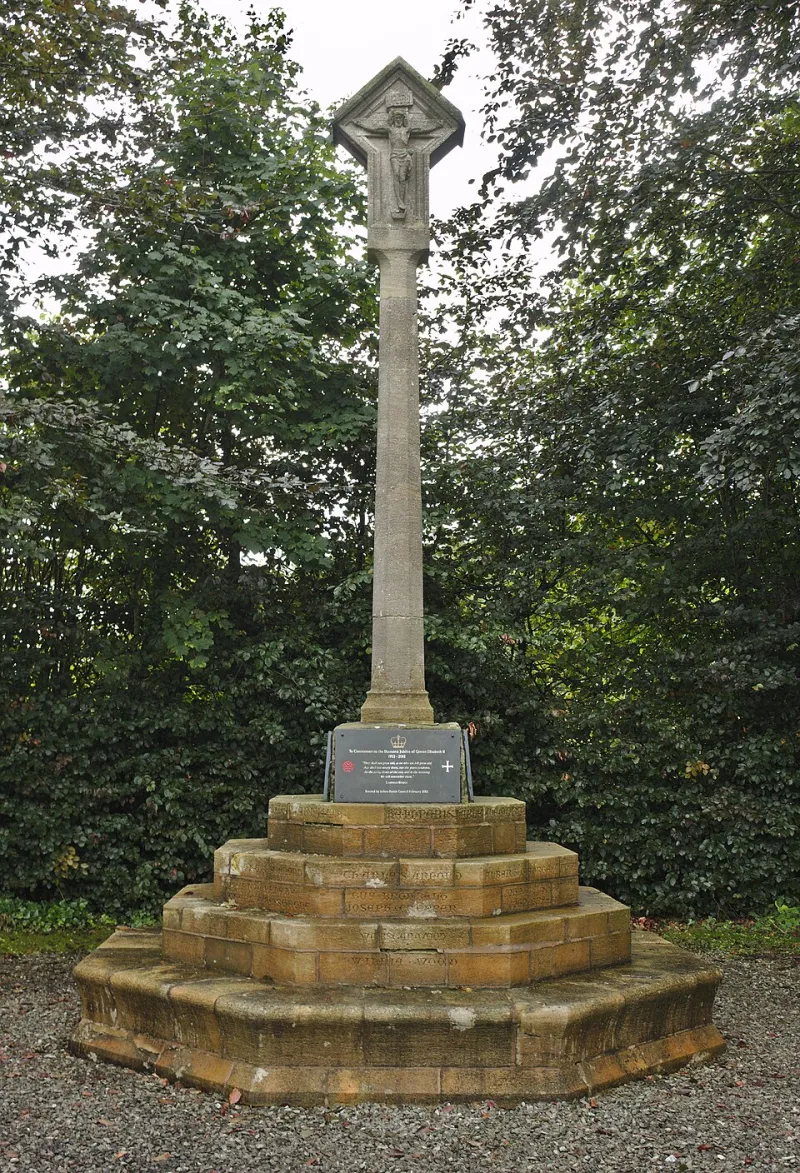
The church and Acton Court approach is often the better bet after rain. The lane rises gently, and the surface sheds water rather than holding it in long sheets. There are still muddy patches where vehicles pull in, but the main walking line tends to stay firm. It also gives you the pleasure of the churchyard and the Tudor court in wet weather, when the stone darkens and the whole place feels a bit more atmospheric than it does in July.
The recreation ground perimeter and village-centre loop is the practical option. Hard surfaces, short grass and a few benches make it a decent leg-stretcher when the fields are too claggy. It is not a wilderness experience, but it is honest winter walking: fresh air, a bit of local colour and no need to rinse your trousers afterwards.
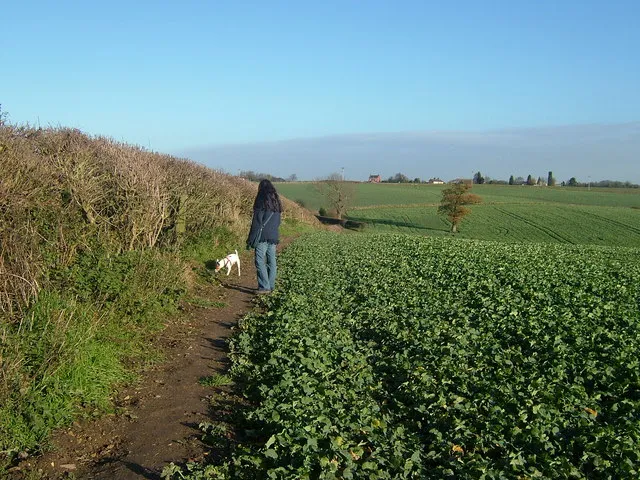
The higher lane out towards the edge of the village is worth saving for a dry-ish afternoon. Pick a route that follows the crown of the road and avoids the lowest dip. You will still meet run-off at gateways, but you can usually step around it. The reward is the view back across the village when the clouds break and every roof looks slightly steam-cleaned.
Footwear, kit and the small comforts
Waterproof boots are the obvious starting point, but the real issue in Iron Acton is grip. Wet clay is not a surface that rewards optimism. A boot with a decent tread and a bit of ankle support will do more for your day than a fashionable welly with a smooth sole.
Take a spare pair of socks. Not because you expect to get wet, but because the lane will find a way. A lightweight waterproof jacket that can be stuffed into a bag is more useful than a heavy coat you end up carrying. A walking pole is optional, but on the slicker church-lane slopes it can be a quiet friend.
And check the forecast for the week, not just the hour. A lane that looks fine after a dry morning can still be holding Tuesday’s rain in its ruts. If there has been a proper wet November week, assume the low spots are still full and plan accordingly.
When to turn back
There is no prize for ploughing through a flooded lane. If the water is over the top of your boots, if you cannot see the road surface beneath it, or if the puddle is spreading across the full width of the lane with no verge to escape onto, turn around. A detour through the village adds ten minutes and removes a genuine risk. The same goes for icy mornings after a wet week: the puddles may have drained, but the shaded patches will not have.
The upside of a wet lane
A wet Iron Acton is not a ruined walk. It is a quieter one. The dog walkers are fewer, the hedges smell of wet bark, and the lanes have a softness they lose in summer. If you read the water properly, you can enjoy the best of it without spending the afternoon squelching.
So next time the forecast looks grim, don’t write off the day. Look at the lane, not just the sky. The water will tell you where it has been, where it is going and whether you should follow.