When the Lanes Go Black: A Night Walker’s Guide to Iron Acton
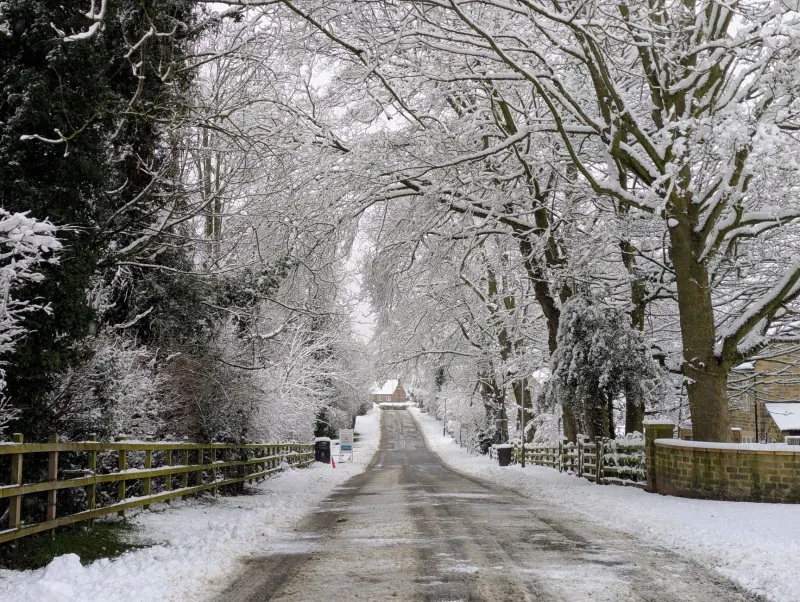
There is a particular moment in Iron Acton, somewhere around half past four in November, when the village seems to switch off. The sky over St James goes from grey to ink, the kitchen windows light up one by one, and the lanes stop being scenery and start being a decision. Do you walk home the short way, or the way that keeps you out of the hedge?
This is not a warning. It is a guide. Walking after dark here is one of the quieter pleasures of village life — once you know where the light ends, where the mud begins, and which bends deserve a bit of respect.
The Last of the Light
By the time the clocks go back, sunset is a rumour rather than an event. The last useful light tends to hang around the top of the High Street and the church tower, then drain away fast. What’s left is a blue-grey wash, enough to see the shape of the road but not the edge of it.
That half-light is lovely and slightly useless. It makes the village look like a film set, but it also flattens puddles into pavement and turns a patch of wet leaves into an ice rink. If you’re setting out around five, assume you’ll be finishing in proper dark, not dusk.
Where the Streetlights Stop
The centre of the village is reasonably lit. The High Street, the area around the village hall and the main routes through the built-up bit give you a decent pool of light. It is when you leave that pool that the character changes.
Head out along Frampton End Road and the lamps thin out quickly. The same goes for the lanes towards Latteridge and the edges of the village where the houses give up and the hedges take over. There is usually one last streetlight standing sentry, and then a stretch where your own shadow disappears entirely.
That’s not a problem if you’re expecting it. It is a problem if you’re wearing dark jeans and trusting to luck. The lanes here are narrow, unkerbed in places and have blind bends that encourage drivers to take a generous line. A torch isn’t about seeing the tarmac. It’s about being seen before someone else’s headlights find you.
The Soup Report: Paths After Rain
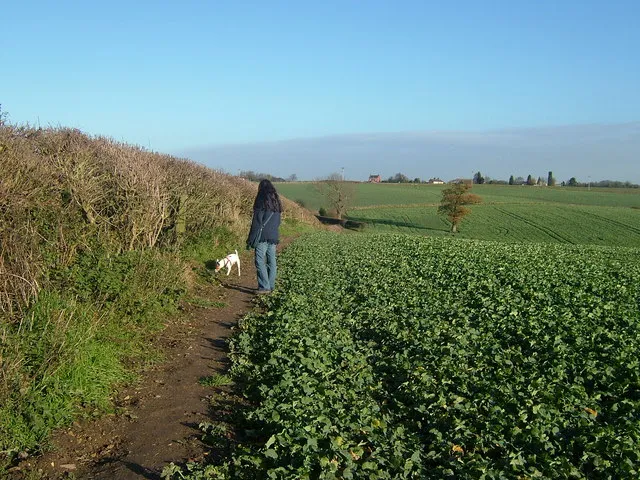
November footpaths around Iron Acton have three settings: damp, squelchy and soup. The field gates and stiles are the usual suspects. A wooden stile that is merely slippery in October becomes a small climbing exercise by December, especially if you’re wearing smooth-soled boots and carrying a bag of shopping.
The path behind the church and the field edges towards Acton Court can hold water for days after rain. If you’re walking in the dark, treat every patch of leaves as a possible puddle and every grassy edge as a possible ditch. A headtorch helps, but it also turns falling rain into a thousand tiny exclamation marks. That’s part of the charm, up to a point.
Dog walkers know the drill. The short loop around the lit part of the village is the sensible choice on a wet night; the longer field routes are better saved for a dry, moonlit evening or a weekend morning when you can see what your boots are doing.
Routing Home from the Pub, the Hall or the Bus
The classic after-dark walk in Iron Acton is the one from the pub. You leave the warmth, step into the cold, and immediately realise you can’t remember where the pavement ends. The answer is: sooner than you think. Stick to the lit side of the High Street where you can, cross where there’s a clear view, and save the lane-side shortcut for daylight.
From the village hall, the routes back into the centre are straightforward enough, but the car park exit can be dark and the surface uneven. A small torch on your keyring is worth its weight in gold here — not for the main road, but for the bits between the main road and your front door.
If you’re coming back on the last bus, the walk from the stop is where a little planning pays off. Know which side of the road you’re getting off, and don’t rely on there being a pavement the whole way. High-visibility bits on a coat or bag make a genuine difference on the unlit stretches, and they cost less than a pint.
Dogs, Runners and Cyclists: Sharing the Dark
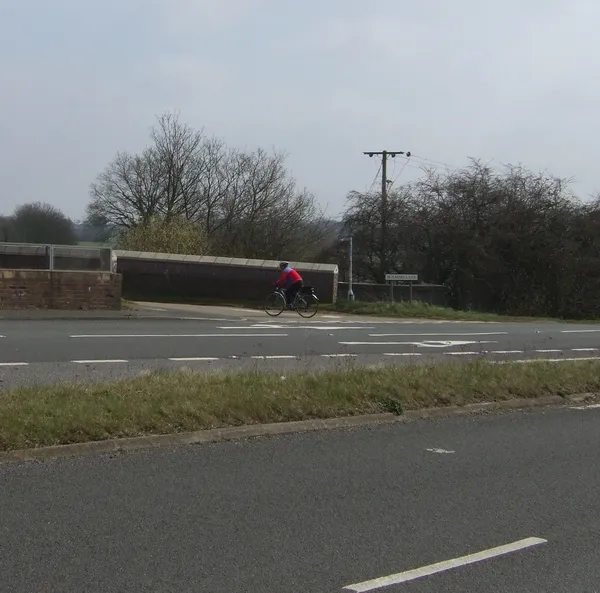
The lanes after dark are shared by a small, surprising cast: dog walkers with glowing collars, runners in black leggings, cyclists with a single blinking rear light, and the occasional tractor that owns the road entirely. Courtesy is simple. Walkers, keep dogs close on the narrow bits. Runners, call out before you pass. Cyclists, use a light you’d want to see coming towards you, not a decorative flicker.
And if you’re driving, give the walkers room. The lane may be yours for the next ten seconds, but the person on foot has nowhere else to go.
Kit and Courtesy Checklist
- A small headtorch or hand torch, plus spare batteries or a charged phone.
- Something reflective — a strap, vest, slap band or bag tag. It doesn’t need to be fashionable.
- Boots with grip, not smooth soles. The stiles and gateways get greasy.
- A dog lead that’s easy to shorten, and a light on the collar if your dog is dark-coloured.
- A phone with enough charge to get you home, and a plan that doesn’t rely on signal in the dips.
- A nod or a “thanks” for drivers who slow down. It keeps the habit going.
A Word on the Quiet
There is a reason people still walk these lanes in the dark. Once the school run is over and the last commuter has turned into their drive, Iron Acton gets very quiet. You can hear the stream after rain, the shuffle of a hedge, the tick of a bike freewheel. The village feels smaller and older, and the stars — when there are stars — do their best.
So take the torch, wear the silly reflective band, and choose the route that gets you home without a story for the wrong reasons. Then, when you’re nearly there, stop for a second. The dark isn’t empty. It’s just the village, waiting for morning.