Snow on the Bend: How Iron Acton Decides It's Had Enough
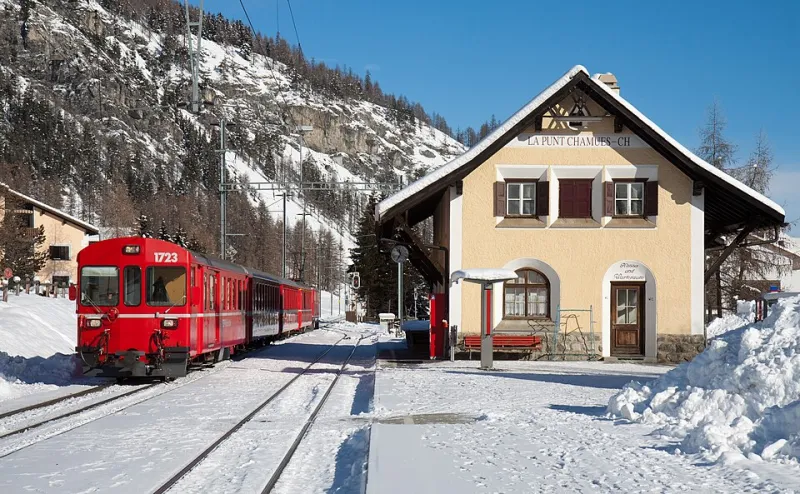
Photo: Kabelleger / David Gubler (http://www.bahnbilder.ch), CC BY-SA 3.0, via Wikimedia Commons
The forecast said "wintry showers". By half six the lane outside had that particular grey sheen that means nothing is going to stop where it should, and by seven the phones were going. Every year Iron Acton gets a handful of mornings like this, and every year the same three questions come round: is the school shut, has anyone gritted the bend, and who actually decides?
Who makes the call
Short answer: not one person, and definitely not the parish council.
The school decision sits with the headteacher. Heads look at the site, at whether staff can get in, at what the coach and minibus operators say, and at what the surrounding roads are doing. They cannot see the lane outside your particular house, which is why the announcement can feel wildly cautious from one end of the parish and reckless from the other. Most schools aim to decide before 7am and push it out by text, email and the trust's social media. The council does not close schools; at most it offers advice.
Roads are a different chain of command entirely. South Gloucestershire Council is the highways authority, and its winter service runs from roughly October to April, with a fleet on standby and weather modelling that is a good deal better than it was a decade ago. Gritting follows a ranked network. Primary routes go first — the A-roads and the main bus corridors. Secondary routes follow. The lanes in and out of Iron Acton sit somewhere between "later" and "not on the list at all".
That is not laziness. It is arithmetic. You cannot salt every hedge-lined lane in a district this size without a much bigger fleet and a much bigger council tax bill, and the council knows perfectly well which roads carry the most vehicles at 7am.
Where the gritting stops
Here is the mental model worth keeping: the salt stops about where the street lights do.
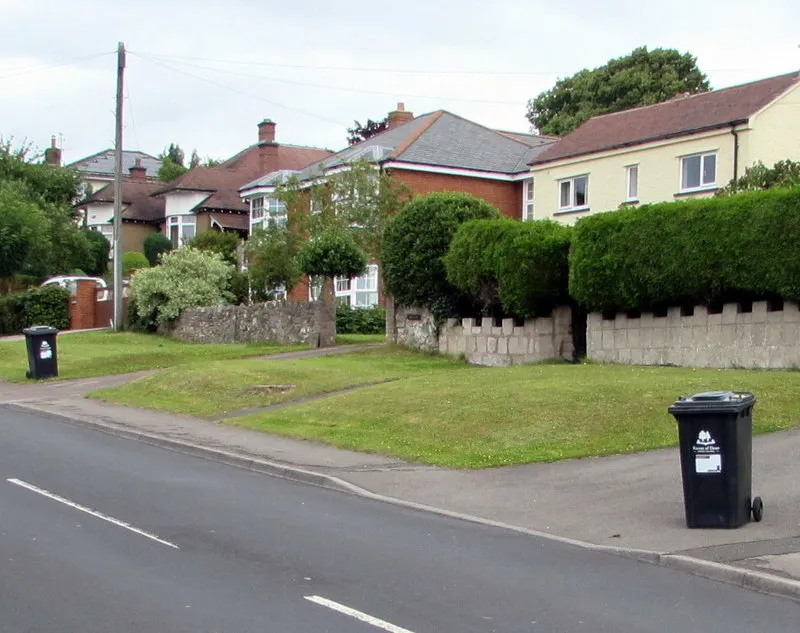
That is not a rule anyone has written down, but it is close enough to reality to be useful. Once you are past the last lamp post, past the last kerb, and out where the hedge sits directly on the tarmac with a ditch behind it, you are in the zone that gets whatever the weather gives it.
Grit bins are the village's own small insurance policy. They exist, they are usually where you think they are, and they are not bottomless. If a bin is empty or has been used as a general-purpose rubbish receptacle since October, that is worth reporting to the council rather than grumbling about at the school gate — the report genuinely does go somewhere. Just do not plan your morning around a full bin on the first cold snap of the year, because everyone else has had the same idea.
How news actually travels
There is no shop window in Iron Acton with a handwritten note in it, which removes the traditional village distribution network in one go. What is left is a small ecosystem:
- The school's own channel. Text, email, the app. This is the only one that is authoritative on closures, so it is the only one worth trusting at 7:15am.
- The council's website and social feeds. Good for gritting routes, road closures and the occasional statement about a stranded lorry on a hill.
- The village Facebook group and assorted WhatsApp threads. Fast, warm, occasionally wildly wrong. A photo of a snowman is not a road closure.
- The noticeboard. Excellent for things that matter for a fortnight. Useless today.
- A neighbour. Historically the most reliable technology in the parish, and still undefeated.
The rule of thumb: one official source, one human source, then make your own decision about the bend.
The unwritten etiquette
A snow day brings out a code nobody has ever printed.
Clear your frontage if you can. The old fear about being sued for clearing the pavement has been dealt with — the national snow code makes clear you can clear snow and ice from paths safely and sensibly, and that you should not be put off by the phantom of liability. Use salt rather than boiling water, which refreezes and takes your drain with it.
Do not bag a cleared space. Cones, chairs and wheelie bins holding a shovel's worth of tarmac are a tradition imported from cities and worth resisting firmly.
Check on the people who will not ask. The neighbour with the steep drive, the one who does not drive any more, the one whose boiler is older than the hedge.
Drive to the conditions, not the badge. Four-wheel drive helps you move. It does nothing whatsoever for stopping on ice, and the ditch does not care what you paid for the car.
Keep the photographs kind. A shot of a car in the verge is fine. A close-up of the number plate, with a caption naming the driver, is not.
A calm checklist
Nothing heroic. Just the boring list that saves an hour:
- Salt and a shovel where you can reach them without opening a frozen shed.
- Boots by the door, torch charged, phone charged.
- Enough in the fridge for two days, because the lane to the nearest supermarket is the hill that always goes.
- Know which channel your school uses, and check it before you believe anything else.
- Know where your nearest grit bin is — and where the next one after that is.
The permission slip
There is one thing worth defending about the snow day, and it is not the disruption. It is the way the parish briefly slows to walking pace. People appear at the top of drives they normally reverse straight out of. Someone clears the whole length of pavement outside three houses that are not theirs. The lane fills with footprints instead of tyre tracks, and you can hear the village the way it sounded before anyone commuted anywhere.
So check the school app, check the bend, check on the neighbour. Then, if the answer is no, put the kettle on and enjoy the one morning a year when Iron Acton has nowhere to be.