Five Chairs, One Kettle: Inside the Room Where Iron Acton Gets Things Done
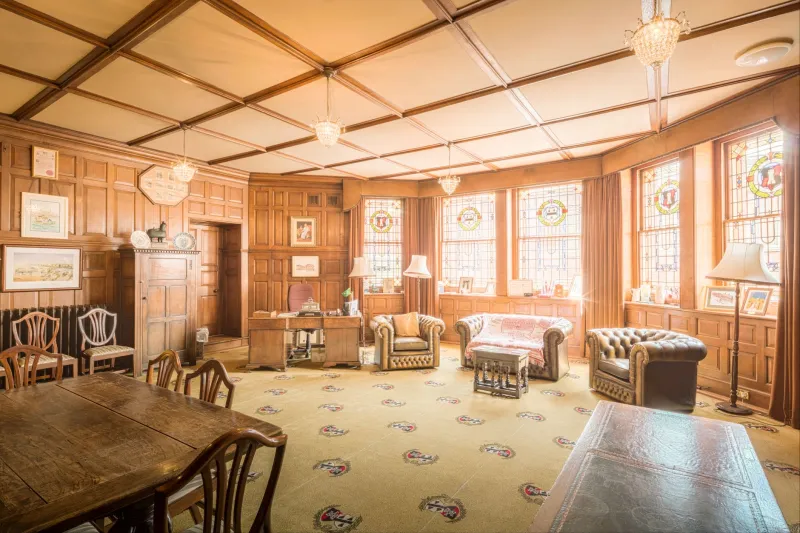
The first thing you notice is the furniture. Five chairs, maybe six, arranged around a table that has seen better decades. A kettle doing its best in the corner. A folder of papers, a jug of water, and somebody’s reading glasses case snapped shut like a small suitcase. It is not Westminster. It is not even South Gloucestershire Council’s main chamber. It is a village meeting room, and for an hour or two it is the most useful room in Iron Acton.
Parish council meetings have a reputation problem. They sound dry, procedural and slightly forbidding, like a dentist’s appointment with minutes. But sit in on one and you realise something reassuring: this is where the small, stubborn, everyday stuff of village life gets sorted. Not all of it, and not quickly, but it gets a hearing. In 2026, with lanes busier, weather wobblier and everyone’s free time tighter than it used to be, that hearing still matters.
What the parish council can and cannot do
The parish council is the first rung of local democracy, and it is worth being clear about its limits. It does not run the NHS, empty your bins or resurface every road at will. South Gloucestershire Council handles the big-ticket stuff like highways, planning applications and public transport. But the parish council is often the body that knows where the problem actually is. It can flag issues, lobby the right department, support local projects, manage small assets, comment on planning consultations and help keep the village hall and community events ticking over.
Think of it less as a parliament and more as a switchboard. A resident rings the clerk about a blocked grip by the ford. The clerk puts it on the agenda. The council discusses it, agrees who should chase it, and records the decision in the minutes. Weeks later, maybe, a highways officer appears with a lorry. That is the chain. It is not glamorous, but it works.
How a lane becomes an agenda item
There is a lovely myth that parish councils only talk about things that were already talked about. The reality is more practical. Issues arrive from neighbours, from the clerk’s inbox, from a councillor’s walk, from the village hall committee, from a footpath volunteer, or from a resident who spots something on a Sunday stroll and sends a short email on Monday.
The clerk is the hinge. They prepare the agenda, usually several days before the meeting, and they need enough detail to make an item meaningful. ‘The lane is a mess’ is a start, but ‘the drain outside the church is blocked and water is running across the road when it rains’ is something a council can act on. Add a location, a photo if you have one, and a note about what you have already tried. That turns a grumble into a workable item.
Some things go straight to the county council because that is where the power sits. Others need the parish to nudge, chase or coordinate. A flickering lamp, a dangerous bend, a footpath stile that has seen better days, a village hall roof that needs a grant application — all of these can end up on the same typed sheet.
The meeting itself
Most meetings follow a familiar shape: apologies, minutes of the last meeting, matters arising, planning, finance, highways and footpaths, village hall, events, correspondence, and then the bit where everyone remembers they have homes to go to. It can feel slow if you are used to television drama. But the slowness is the point. Decisions need a proposer, a seconder and a vote. They need to be written down. They need to be checkable.
There is usually a public participation slot near the start. That is your moment. You do not need to have prepared a speech. You do not need to know procedure. You just need to say what you have noticed and what you would like the council to do. Keep it short, keep it specific and keep it civil. Councillors are volunteers, not punchbags, and they are far more likely to help if the conversation starts with a problem rather than a verdict.
How to raise a point without making it a scene
The best approach is almost boringly simple. Check the agenda when it is published — often on the parish council’s website or the village noticeboard. If your issue is on it, turn up. If it is not, email the clerk before the meeting and ask for it to be considered next time. Attach a photo, a map pin and one sentence about the impact. ‘This path floods and children walk to the school bus through it’ is a stronger case than ‘something must be done’.
If you cannot attend, ask for an update after the meeting. The minutes are the paper trail, and they are usually published. They will tell you what was decided, who is chasing it and whether it has been deferred. Deferred is not the same as dead. It often just means the right person has not replied yet.
The volunteering bit nobody claps for
Here is the unglamorous truth: village life runs on people who agree to do the small things. Taking minutes. Counting quiz money. Litter-picking. Checking a footpath. Sitting on a working group about the village hall. Putting chairs out. Parish councils depend on that goodwill, and they are always short of it. You do not have to stand for election to help. You can volunteer for a one-off task, join a friends group or offer a skill — bookkeeping, gardening, web stuff, hauling tables.
If you do fancy the formal route, there are elections and occasional co-options. Ask the clerk for a conversation before you commit. It is better to know what the job involves than to discover it at 9pm on a Tuesday in February.
Why sit in
Because the village is not a backdrop. It is a set of decisions about where water runs, where people walk, what the hall looks like and whether the Christmas lights go up. Sitting in on a parish council meeting is not a thrilling night out. But it is a useful one. You will learn who does what, why some things take months and why others happen in a week. You will hear the difference between a complaint and a plan. And you may come away with a small job, a clearer head and a better idea of how Iron Acton actually works.