The Doorstep Timetable: How Iron Acton Eats Without a Shop
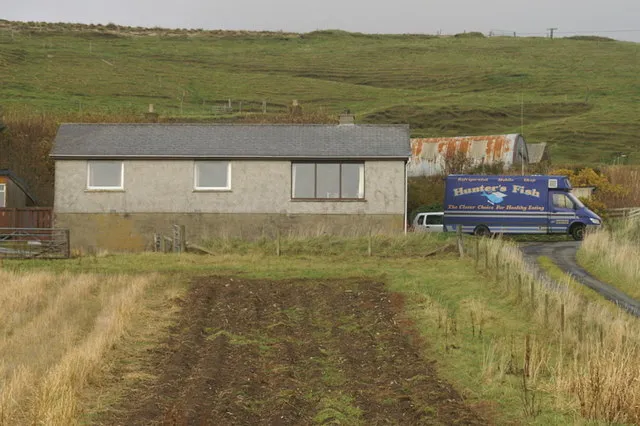
Photo: Mike Pennington, CC BY-SA 2.0, via Wikimedia Commons
Iron Acton doesn’t have a village shop. You probably know that already, especially if you’ve ever stood in your kitchen at 7pm realising the dinner plan hinged on an onion you don’t have. But what the village lacks in a permanent counter, it makes up for in a kind of rolling doorstep service — a choreography of vans and crates that most residents learn to read within a month or two of moving in.
This isn’t a directory of every trader who has ever passed through. It’s more of a field guide to the weekly rhythm: who tends to come when, what’s worth ordering in advance, and how to stitch together a food shop without spending half your life in a supermarket car park.
The Weekly Roll Call
The first thing to learn is that Iron Acton’s food supply isn’t one service but several overlapping ones. There’s the mobile greengrocer — usually a van with a lift-up side and a chalkboard list — that does a circuit of the lanes on a set day. There’s the milk round, which is less about milk these days and more about eggs, bread, juice and the occasional block of cheese, delivered before most people have switched the kettle on. Parcel couriers are a separate army entirely, and then there are the pop-up stalls: a bakery table at the village hall, a fish van in the lay-by, a Saturday morning arrangement that appears and vanishes with the weather.
None of these are secret, but none of them advertise widely either. The information moves by word of mouth, by the noticeboard, and by the simple method of noticing a van parked outside someone else’s gate and asking a neighbour.
Ordering Ahead: The Two-List Method
One habit that makes the whole system work is keeping two lists rather than one. The first is your van list — the things you want from the greengrocer or the milk round, ordered a day or two ahead so you’re not relying on what’s left in the crates. The second is your supermarket list: heavier items, household stuff, anything the vans don’t carry.
Splitting the shop like this does two things. It stops you dragging a ten-kilo bag of potatoes home in a rucksack, and it means the weekly supermarket run becomes a monthly-or-so event rather than a weekly chore. The vans handle the fresh, the perishable and the awkward; the big shop handles the bulky and the boring.
Worth knowing: most mobile traders are happy to take a text or a note through the door the day before. They’re not running an app, and they don’t want to. A short message saying “two pints, half a dozen eggs, and whatever greens look good” is the entire system.
The Supermarket Run (and How to Avoid It)
When you do need a proper supermarket, the nearest realistic options are in Yate and Chipping Sodbury — a short drive or a longer walk depending on which end of the village you’re at. Yate has the bigger shops and the free parking; Chipping Sodbury has the smaller Co-op and the advantage of being a pleasanter place to tack onto a dog walk.
The trick is to combine the run with something else. A trip to the tip, a school pickup, a swim at the leisure centre — anything that gets you into Yate anyway. Going specifically for a food shop is the thing that starts to feel like a chore; going for three errands at once feels like a morning out.
If you’re car-free, the bus works for a big shop but it’s not glamorous. A wheeled trolley helps. So does going early on a weekday, before the school run and the lunchtime rush.
The Van as a Social Hub
The other thing about the doorstep timetable is that it’s not purely functional. The greengrocer’s van is a standing appointment for a certain kind of chat. You’ll see the same four or five people clustered around the open side, discussing the quality of the sprouts or the fact that the parsnips have come in early. It’s the closest thing the village has to a shop counter, and it does the same job: a bit of gossip, a bit of advice, and a reminder that someone knows what you usually buy.
If you’re new to the village, the van is honestly one of the easiest ways in. You don’t have to join anything or turn up to a meeting. You just have to buy a bag of apples and say good morning.
A Sample Week (Roughly)
Every household’s rhythm will differ, but a typical week might look like this: milk and eggs delivered early on a Monday and Thursday; the greengrocer on a Tuesday, with an order texted the night before; a parcel or two on whatever day the courier decides; a pop-up bakery stall on a Friday morning at the hall, if the weather isn’t doing anything dramatic; and a supermarket run on a Saturday or a quiet Wednesday, combined with something else.
It sounds elaborate written down. In practice it becomes second nature within a few weeks — a set of small habits rather than a logistics operation. The village shop may be gone, but the doorstep timetable does the same job, just with more vans and fewer shelves.
And if you ever do find yourself short of an onion at 7pm, the honest answer is that someone nearby will have one. That’s not a delivery service. That’s just Iron Acton.