Wheels Out, Wheels In: A Practical Guide to Bin Day in Iron Acton
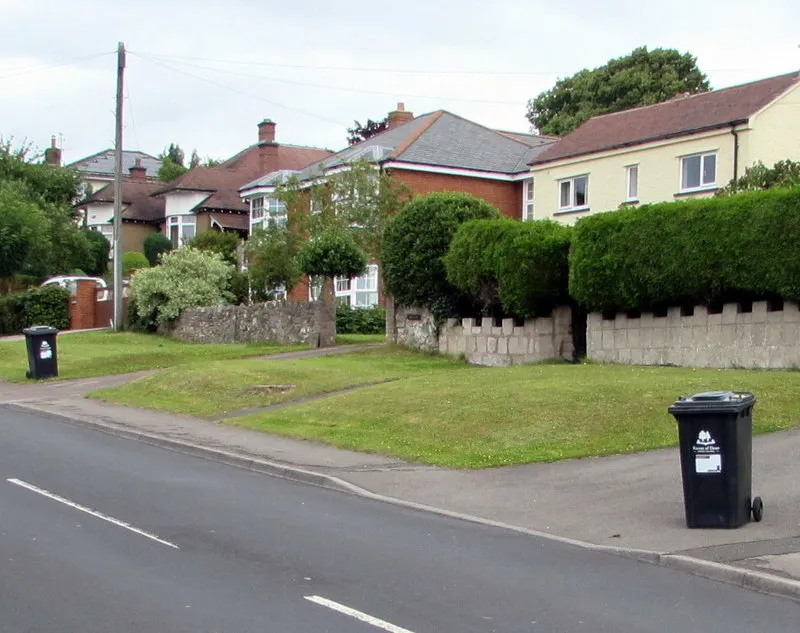
Photo: Jaggery , CC BY-SA 2.0, via Wikimedia Commons
There is a particular sound to bin day in Iron Acton. It starts with the distant clatter of a lorry, then a wheelie bin rumbling over gravel, then a neighbour calling across the lane: “Have you done yours?” In a village with no shop and plenty of narrow edges, waste collection is not just a council service. It is a small weekly piece of local choreography.
The basic rhythm: what goes out when
Iron Acton sits within South Gloucestershire, so the rules are the council’s rather than the village’s. In 2026 the pattern is familiar: food waste is collected weekly, recycling and general waste are collected fortnightly, and garden waste is a paid subscription service. Your exact day depends on your address, and this is where new residents get caught out. One side of a lane can be on a different round from the other. Two houses that look like neighbours on a map may not share a bin day at all.
The council’s online bin calendar is the source of truth. Put your postcode in, check the date, and ignore the vague memory of what the previous occupier did. If you have just moved in, ask the neighbour with the most reliable-looking wheelie bin, but still check the calendar. Village wisdom is excellent for many things; it is not a substitute for the council’s collection schedule.
The Iron Acton quirks
Lanes are the first quirk. Collection lorries are large, and some of our edges are not. If you park where a lorry needs to turn or reverse, you may not just annoy the driver; you may delay the whole round. On the night before collection, leave enough gap for a refuse truck and its mirrors. It is a small kindness that pays back quickly.
Wind is the second quirk. A bin left out with a loose lid can end up halfway down the lane, shedding recycling as it goes. Close the lid properly. Do not balance extra bags on top; side waste is generally not taken, and a gust will redistribute it for you. Bring bins in on the same day if you can. In a village, a bin left out for three days is not just untidy, it is an invitation to weather and wildlife.
Bank holidays add a third wrinkle. Collections often shift, and the festive period has its own timetable. Do not assume that a bank holiday means a free pass or that the lorry will come late because it is tired. Check the calendar before the holiday week, and check it again if snow or flooding is forecast. If the lane is blocked, the crew may not be able to reach you at all.
When the lorry sails past
Missed collections happen. Sometimes the round is running behind; sometimes a bin was not out by the required time; sometimes the crew could not access a lane or the bin was too heavy, too full, or contaminated with the wrong things. If your bin is still full at the end of the day, do not immediately drag it back in and sulk. Check the council website, report the missed collection, and give a clear description: what was out, where it was left, and whether the lane had any access problems.
If a bin has been left with a tag or a note, read it. It usually means the crew has spotted a problem, such as plastic bags in the recycling or food waste in the general bin. Fix the issue before the next collection rather than hiding it under a lid. Recycling should be clean enough and loose enough to be sorted; general waste should be bagged securely; food waste should go in the caddy, not the black bin.
A simple bin-day checklist
- Check the council bin calendar for your postcode.
- Put the right containers out by 6am unless your calendar says otherwise.
- Keep lids closed and do not balance extra waste on top.
- Rinse recycling and keep it loose, not bagged.
- Use the food waste caddy rather than the general bin.
- Park considerately if you live on a narrow lane.
- Bring bins in the same day if possible.
- Text or knock for a neighbour who may need a hand.
Bulky items and the things bins will not take
Not everything can go in a wheelie bin, and that is usually a good thing. South Gloucestershire runs a paid bulky waste collection for furniture and large household items, booked through the council. Before you book, ask whether the item is actually finished. A bookcase with a wobble, a bike with a stuck gear, or a lamp with a loose wire may still have life in it.
Charity shops, Freegle, Olio and village noticeboards can move useful things faster than a council van. Batteries should never go in the bin; they cause fires in collection vehicles and at waste sites. Hazardous waste, paint, and electrical items need proper disposal routes. If you are unsure, check the council’s waste pages rather than guessing. The bin is not a magic hole.
Share, repair, borrow: cutting the waste before it starts
Iron Acton is well suited to the quiet art of not buying things twice. Ladders, tools, garden shredders and cake tins circulate through neighbourly borrowing. A village WhatsApp group or the hall noticeboard can turn a redundant item into someone else’s useful thing within an hour. That is not just thrifty; it is a practical way to keep waste down.
Repair is the other half. If a handle is loose or a radio has gone silent, ask before you skip it. There are repair events in nearby towns, and there is usually a neighbour with a soldering iron and a reasonable amount of patience. Composting at home also cuts the amount that leaves the village in a lorry. None of this needs to be worthy or complicated. It is simply the bin day ballet performed with fewer wheels.
The quiet choreography
In the end, bin day is a small test of village manners. It is noticing that the neighbour’s bin is still out, that the lane is tight, that the wind has taken a lid. It is checking the calendar rather than relying on habit. And it is remembering that the most sustainable bin is often the one you do not need to fill. Wheels out, wheels in, and a bit of goodwill in between.